Ask FAI
before you file.

Ask it the way you would ask a senior in chambers. You get a plain answer first, then the exact section, the judgments that help you and the ones that do not, and where each one came from. When you are ready, FAI drafts the petition too.

Free account, no card

Free forever, 10 questions and 10 drafts a month. Already a member? Sign in

FAI Media

Learn your rights in a minute.

FAI Media is free: short reels, slide posts and step-by-step guides on what people get wrong about Pakistani law. Every one names the court and the citation.

FAI Media Reels

The law, one myth at a time.

Short reels on what people get wrong about Pakistani law, spoken in Urdu with the words on screen in English. Each one ends with the court and the citation.

Workplace1:14 reel

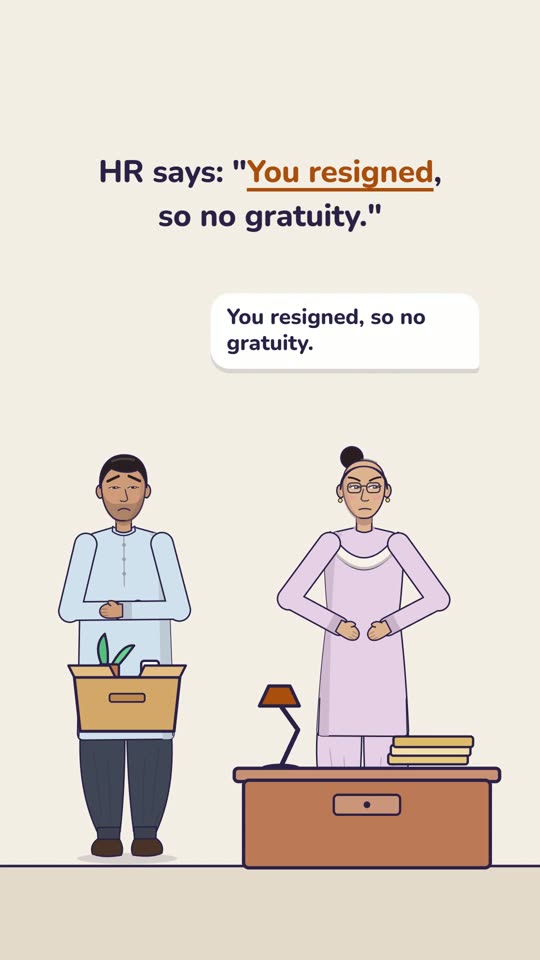
“If you resign, you get no gratuity.”

Wrong in Punjab: section 159 gives gratuity when the job ends from either side, after a year. Yes, after a year. Section 159 of the Punjab Labour Code 2026 pays 30 days' remuneration a year when the job ends from either side, except for gross misconduct.

Statute · Punjab Labour Code 2026 s.159

Criminal law1:14 reel

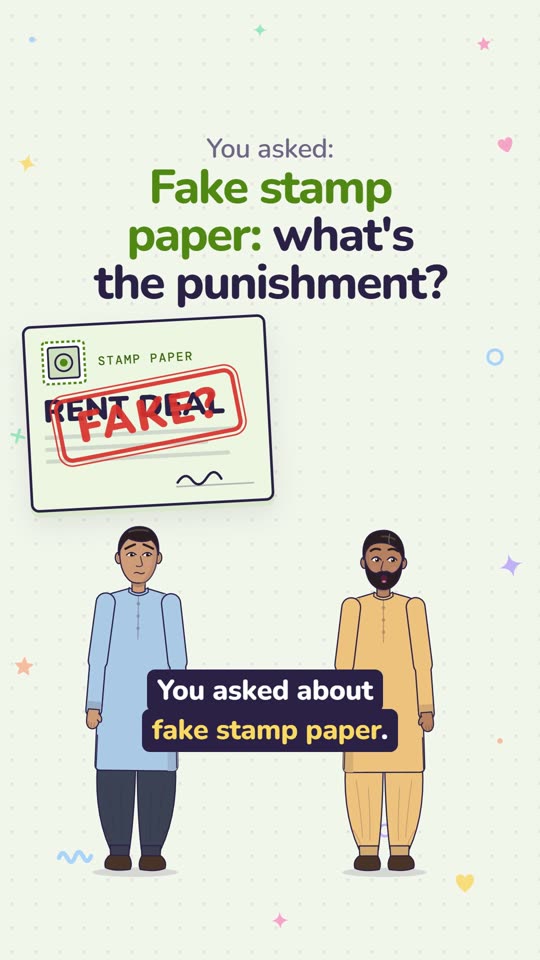
“If your deal is on fake stamp paper, you go to jail.”

Half right: section 260 needs you to know it was fake. Up to seven years for using it, but only if you knew it was fake; the seller who knew, up to seven; the maker, up to life.

Statute · Pakistan Penal Code s.260; Stamp Act s.35

Criminal law1:16 reel

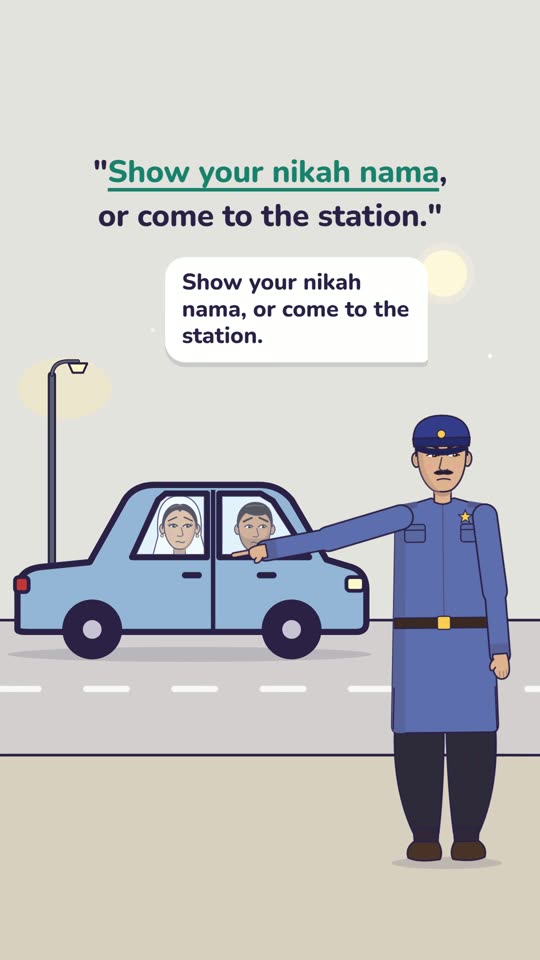
“A couple sitting in a car can be taken to the police station.”

Wrong: sitting together is not the obscene act of section 294. Sitting together in your car is not the obscene act of section 294, and an officer who detains you without need can face five years.

Statute · Pakistan Penal Code s.294; Police Order 2002 Art. 156

Criminal law1:03 reel

“Only traffic police can ask for your car papers.”

Wrong: any police officer in uniform can ask, and papers at home get ten days. Any police officer in uniform can ask for your licence and registration; papers at home can be shown at a police station within ten days.

Statute · Provincial Motor Vehicles Ordinance 1965, s.90

Criminal law1:19 reel

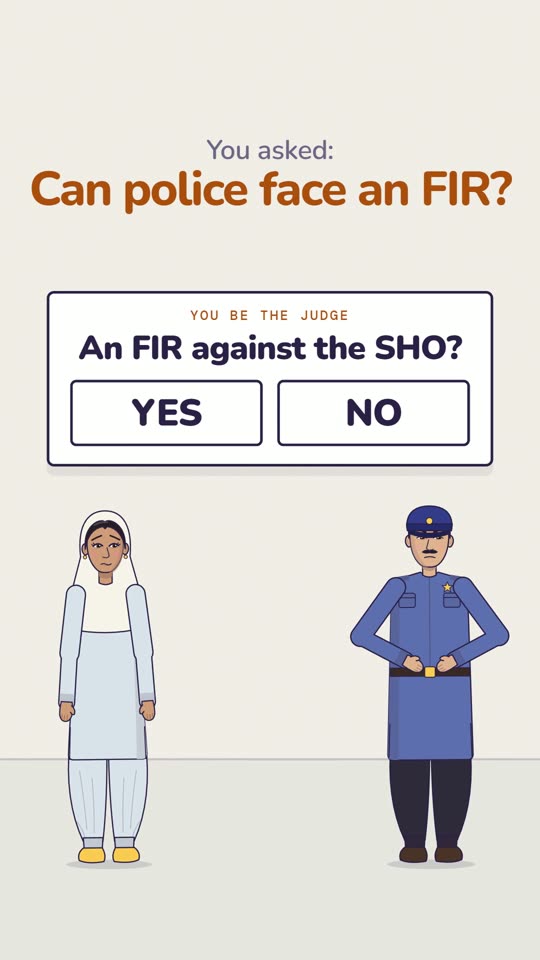
“You can't get an FIR against a policeman.”

Wrong: a Justice of Peace can order one, and the offence carries up to five years. Entering a home without lawful cause is an offence under Article 156 of the Police Order, and a Justice of Peace can order the FIR.

Peshawar High Court · Cr. M/QP No. 87-P of 2018

Property and inheritance1:14 reel

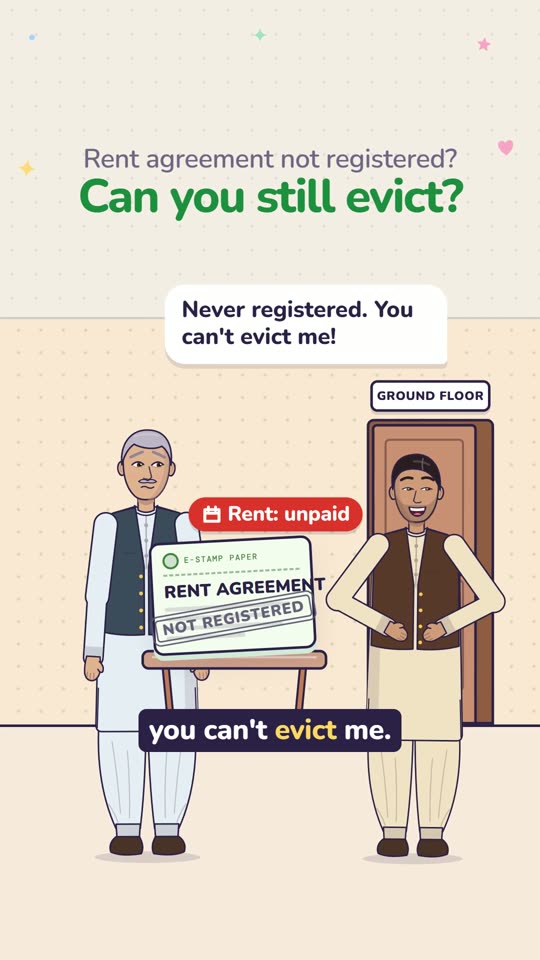
“An unregistered rent agreement means the landlord can't evict.”

Wrong: the landlord pays a fine and the eviction case goes on. The landlord pays a fine of ten percent of a year's rent, and the case goes on. A tenant's ownership claim does not stop it.

Supreme Court of Pakistan · Civil Appeal No. 132-L of 2013

Criminal law1:20 reel

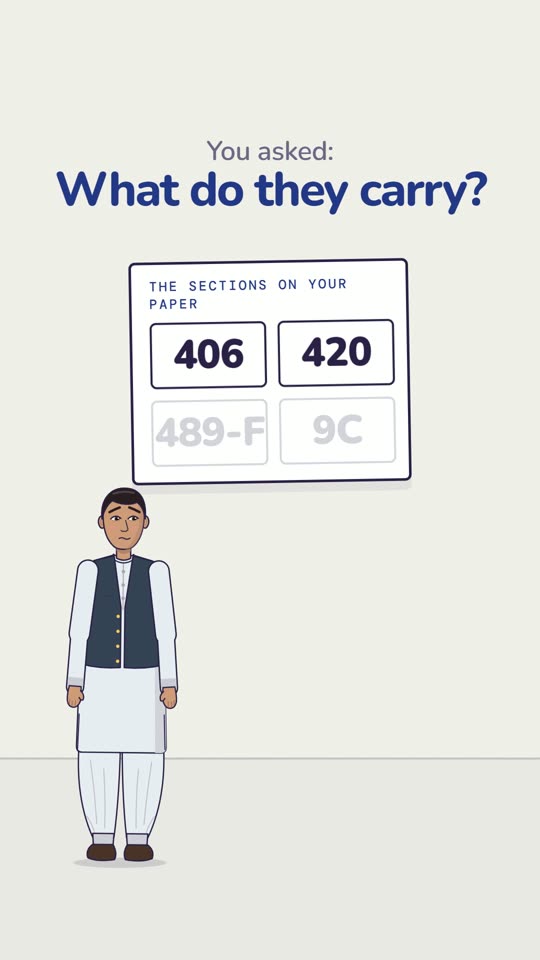
“406, 420, 489-F and 9C all mean seven years.”

Half right: 406 and 420 carry up to 7 years, 489-F up to 3, and 9C goes by drug and weight. Two of them carry up to seven years, one up to three, and the fourth now goes by the drug and its weight. The date of the offence decides which table applies.

Balochistan High Court · Criminal Jail Appeal No. 63 of 2022

Criminal law1:15 reel

“Umar qaid (imprisonment for life) is only fourteen years.”

Wrong: it means twenty-five years, with at least fifteen served. The Supreme Court counts it as twenty-five years, and every life prisoner serves at least fifteen.

Supreme Court of Pakistan · Criminal Review Petition No. 72 of 2007

Read this one in full See all 92 reels

Free to watch, no account. Tap the sound button to hear the Urdu voice.

FAI Media Myth or fact

Think you know the law? Try one.

Some of these cards are myths and some are true. Make your guess, then see what the court decided.

0 of 0right so far

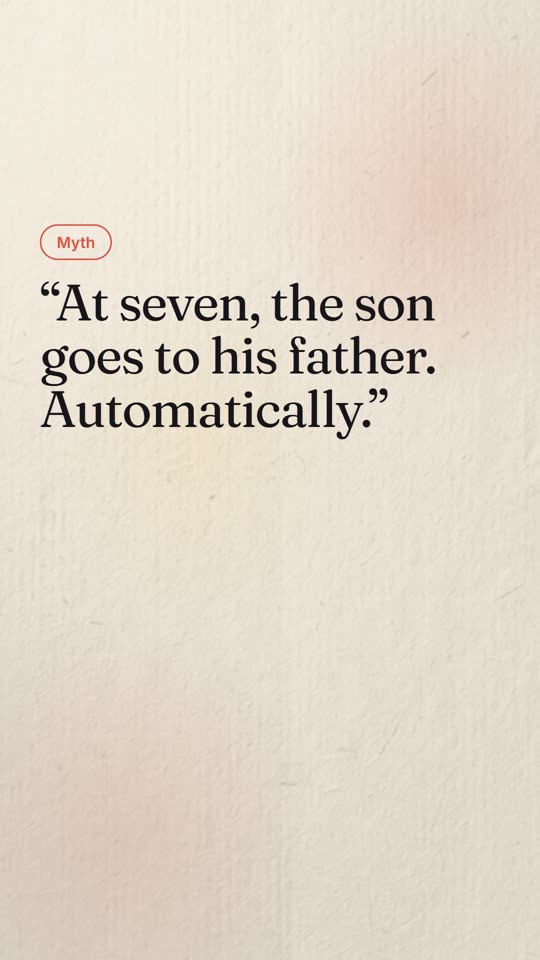
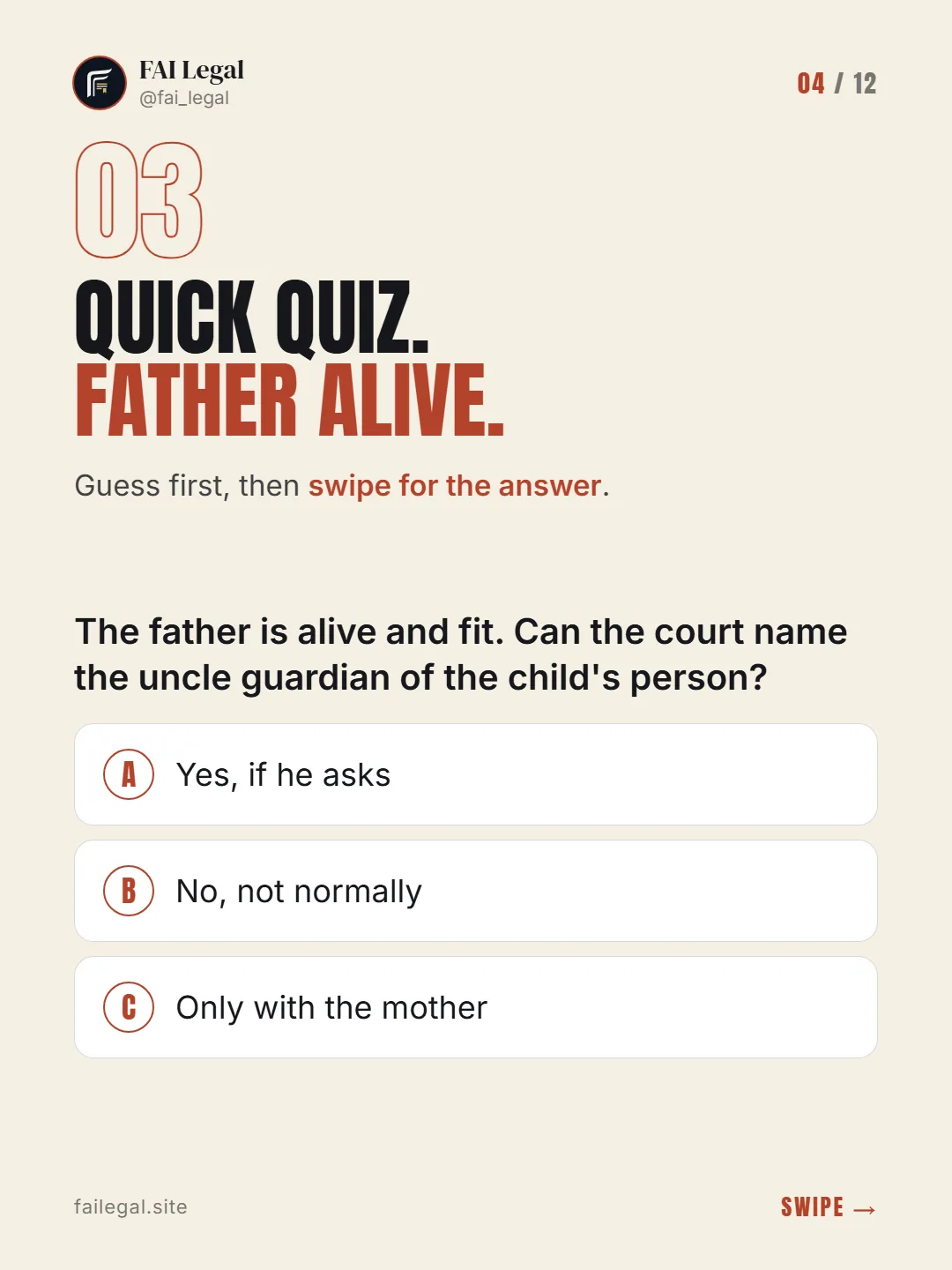
FamilyMyth or fact?

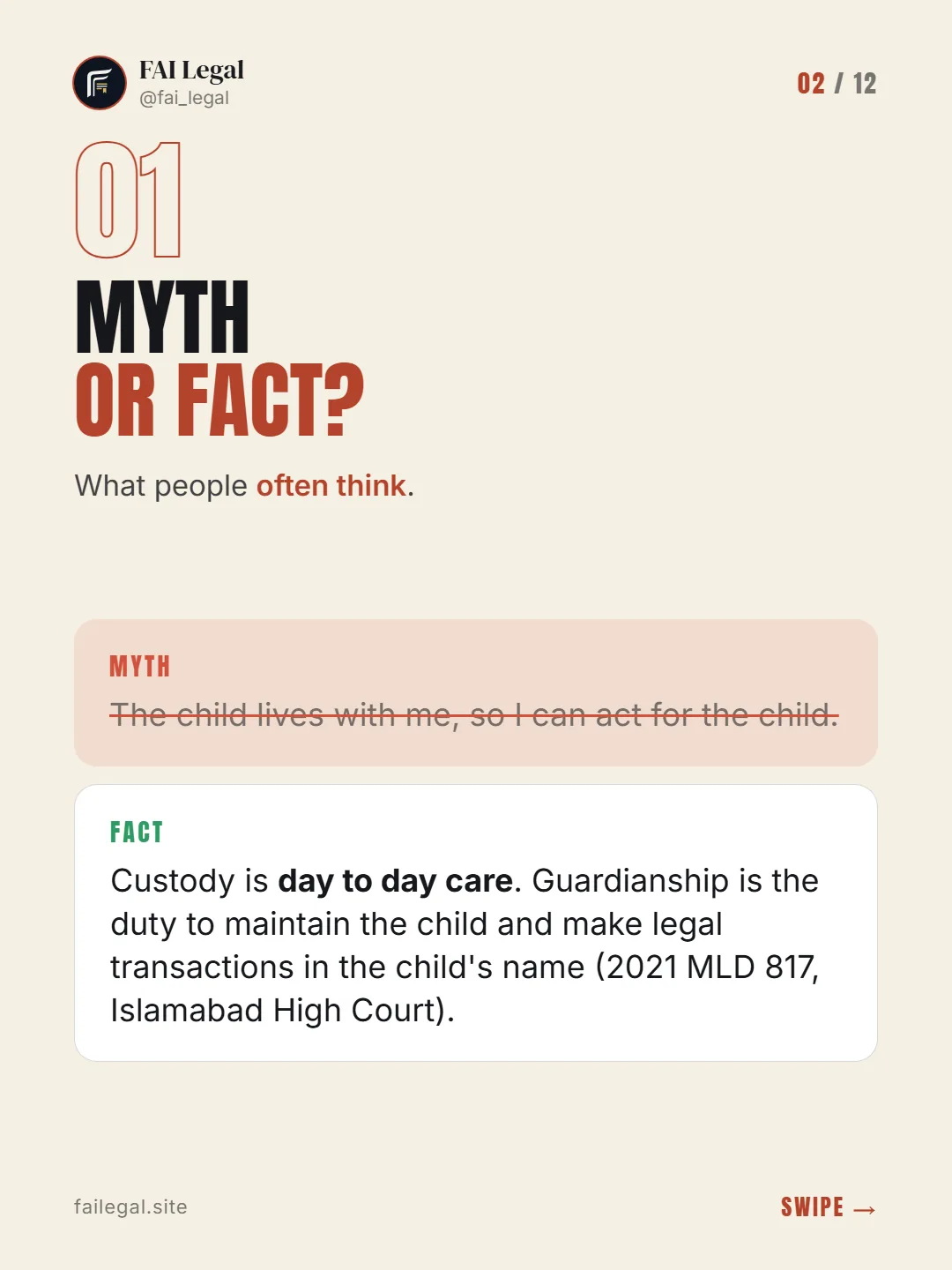
“At seven, the son goes to his father automatically.”

What do you think?

FamilyMyth or fact?

“After a divorce or khula, the gold and gifts given to the bride stay hers.”

What do you think?

Criminal lawMyth or fact?

“A bounced cheque means no bail.”

What do you think?

InheritanceMyth or fact?

“A will can pass on only one third of what you leave after debts, unless your heirs agree.”

What do you think?

Criminal lawMyth or fact?

“Once the accused confesses to the police, the case is over.”

What do you think?

FamilyMyth or fact?

“A nikah that was never registered can still be a valid marriage.”

What do you think?

PropertyMyth or fact?

“12 years on someone's land, and it's yours.”

What do you think?

PensionMyth or fact?

“Divorced after her father died? She can still get his family pension.”

What do you think?

Open FAI Media Ask FAI Legal your own question

Reels, slide posts and guides are free to watch and read, no account needed.

Plans

Free to start. Paid plans
from Rs. 825 a month.

Free is permanent, not a trial. Pay for a month, a quarter or a year: one payment covers the whole period, with no automatic renewal.

40% off list prices, launch pricing. Every price shown is the discounted one.

Free

Anyone trying FAI. Permanent, not a trial.

Rs.0forever

No card, no expiry.

A monthly allowance to try research and drafting
  • Full statute access, 290 acts
  • Case law from 11 Pakistani courts
  • AI legal analysis
  • All 70+ drafting templates
  • Read and copy drafts in the app
  • Sign in on any device

Student

Law students and pupils.

Rs.825/ monthRs. 990

Billed yearly Save 17%

1x usage
  • Everything in Free
  • Daily research, refilled every morning
  • Daily drafting and opinions
  • Download as PDF and Word
  • 2 devices
Most popular

Professional

Advocates researching every day.

Rs.2,488/ monthRs. 2,985

Billed yearly Save 17%

3x usage
  • Everything in Student
  • Significantly more research every day
  • More drafting every day
  • Judgment citations
  • Download as PDF and Word
  • 2 devices

Chamber

Chambers, firms and institutions.

Rs.8,321/ monthRs. 9,985

Billed yearly Save 17%

10x usage
  • Everything in Professional
  • The highest daily allowance we offer
  • Download as PDF and Word
  • 4 devices
  • Priority support
Every plan, Free included
  • Exact statute textfrom the indexed corpus, never paraphrased
  • Official sourcesthe courts' own records, not a model's memory
  • Research and drafting counted separatelyrunning out of one never stops the other
  • Dictate your questionin the browser, on the phone at court
  • Nothing to installdesktop and phone, in the browser
Pay withBank transfer, JazzCash or easypaisaPay on WhatsApp
CustomCustom allowances and team accounts for an organisation are agreed directly on WhatsApp.
Talk on WhatsApp

Refer a colleague. They save 5%, you earn FAI Coins.

Anyone who signs up from your referral link gets 5% off every plan they buy. Each time they pay for a plan, 200 FAI Coins land in your account. Spend them on your own plan at 1 coin = Rs 1, or withdraw them as cash at 2 coins = Rs 1.

What he reads

Nothing from memory.
Everything from the record.

FAI answers only from an indexed corpus: the statute books, the judgments the courts publish themselves, and the reported headnote archive. If a section or a judgment is not in the record, he says so instead of inventing an authority.

PLDSCMRPCrLJCLCYLRMLDPLJPTDCLDPLCPPCCrPCCPCQanun-e-ShahadatContract ActCompanies ActFamily Courts Actthe Constitution
17,768statute sections, exact text
290acts & ordinances
188,602reported judgments, Pakistan
29,261Supreme Court of India judgments
70+drafting templates

Every superior court
of Pakistan.

Judgments from the Supreme Court, every High Court and the other superior courts, from 1947 onward. On the Professional and Chambers plans you can search the Supreme Court of India too: persuasive in Pakistan, never binding.

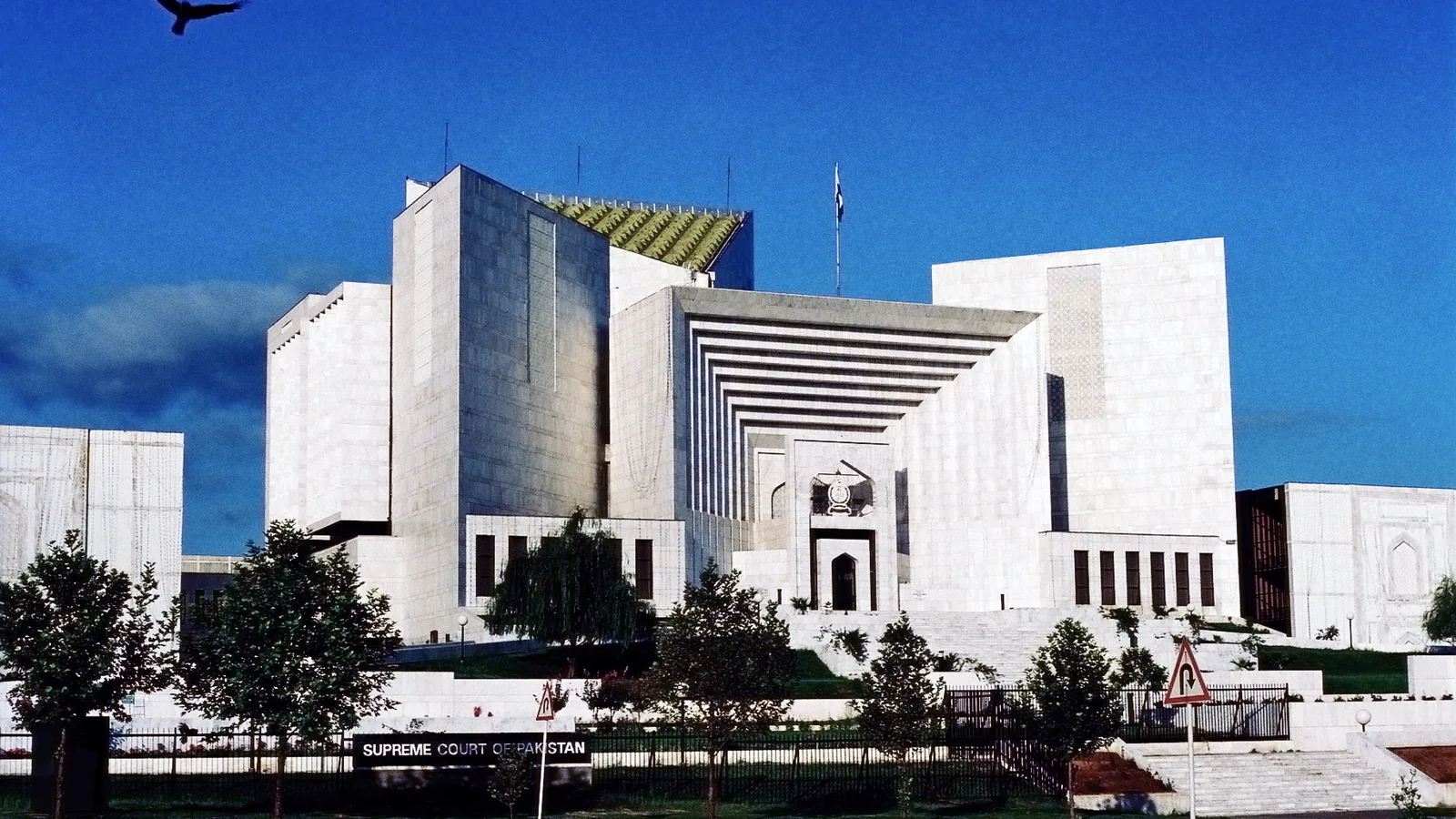
The Supreme Court of Pakistan building on Constitution Avenue, Islamabad
Supreme Court of PakistanIslamabad

The High Courts

Lahore High Court building
Lahore High CourtLahore
Sindh High Court building
Sindh High CourtKarachi
The entrance of the Peshawar High Court
Peshawar High CourtPeshawar
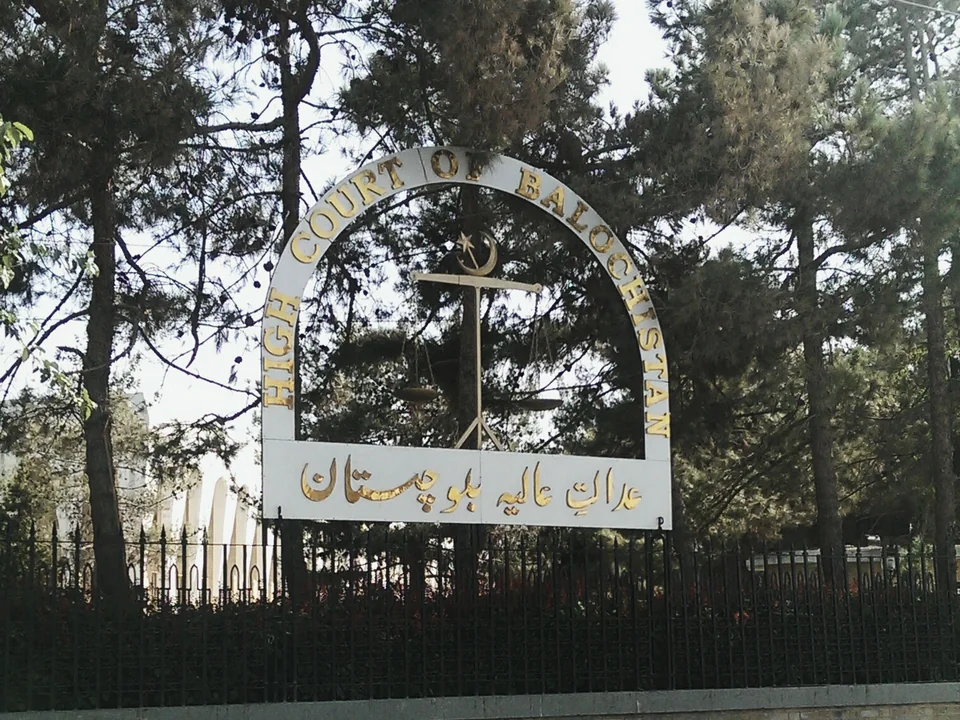
The gate of the Balochistan High Court
Balochistan High CourtQuetta
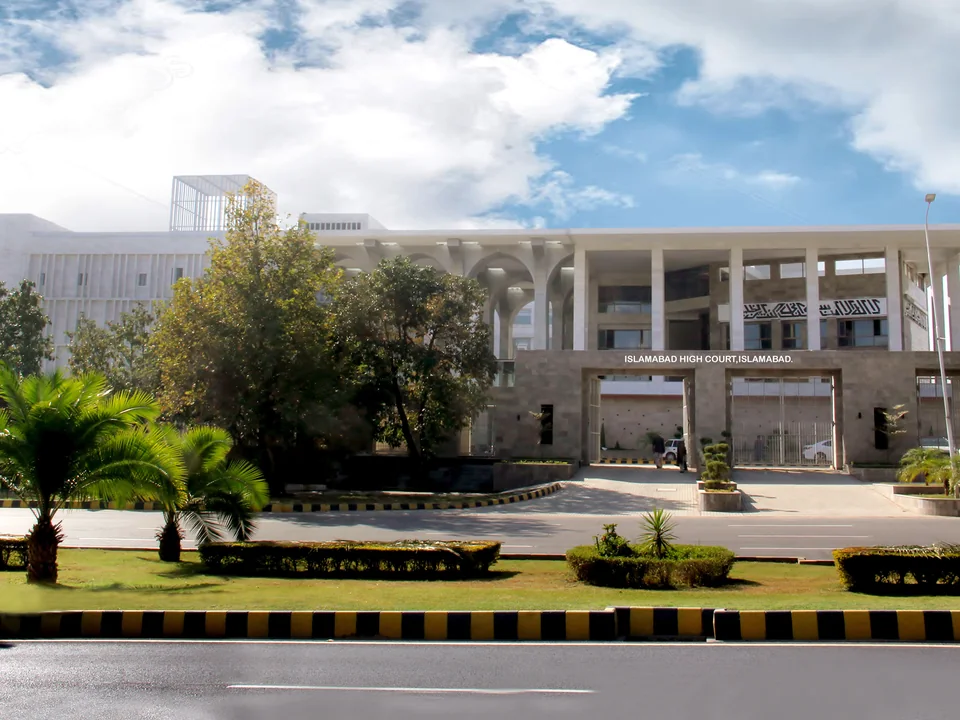
The Islamabad High Court building on Constitution Avenue
Islamabad High CourtIslamabad
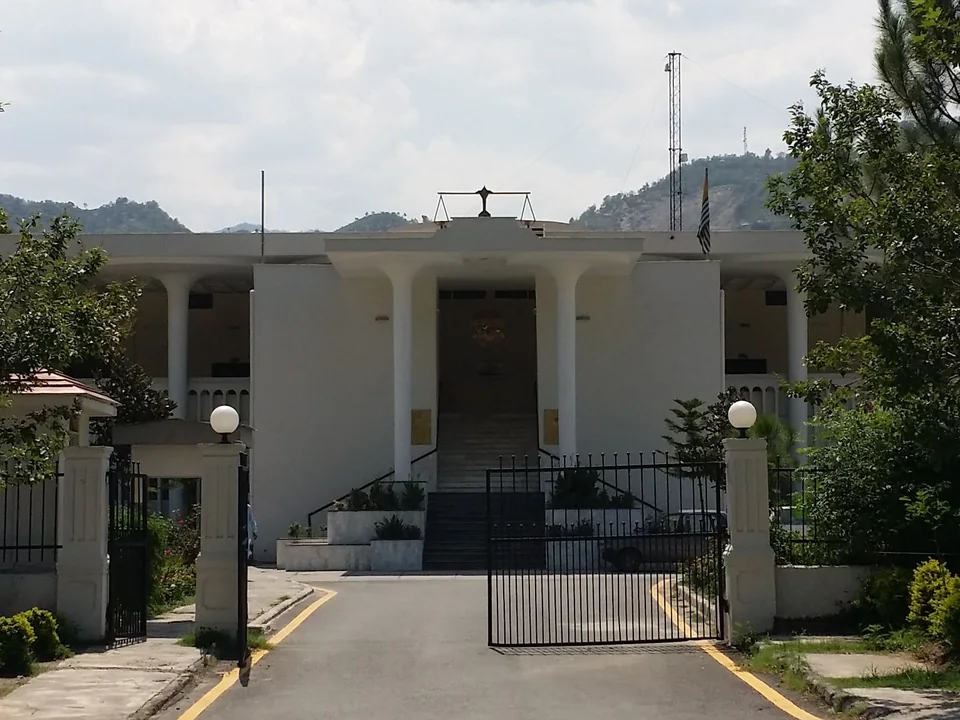
The High Court of Azad Jammu and Kashmir, Muzaffarabad
High Court of AJKMuzaffarabad

And the other courts

Photographs via Wikimedia Commons: Supreme Court of Pakistan by Usman.pg (CC BY-SA 3.0), Lahore High Court by MariyamAftab (CC BY-SA 4.0), Sindh High Court by A.Savin (Free Art License), Balochistan High Court by Sana Shams (CC BY-SA 3.0). Peshawar, Islamabad and AJK High Court photographs from the courts' own websites (peshawarhighcourt.gov.pk, ihc.gov.pk, ajkhighcourt.gok.pk). All cropped and toned. FAI is independent and is not affiliated with any court.

The four-part answer

Every answer, in the shape
a senior expects.

The same four parts in the same order, every time. Findings first, the exact statute text, the precedents on both sides, then where each came from.

01

Legal findings

The position first, in the order a senior expects it. Never a wall of text.

02

Relevant statutes

The exact section text from the indexed corpus. Not a paraphrase, not from memory.

03

Judgments, both sides

Precedents from the courts' own records, with the case for and the case against.

04

Sources used

Every fact carries where it came from, so the answer can be checked line by line.

The amount of every bond executed under this Chapter shall be fixed with due regard to the circumstances of the case, and shall not be excessive; and the High Court or Court of Session may in any case, whether there be an appeal on conviction or not, direct that any person be admitted to bail, or that the bail required by a police officer or Magistrate be reduced.
Section 498, Criminal Procedure Code 1898power to direct admission to bailExact section text, not a paraphrase.

Three modes

Discuss it. Research it.
Draft it.

One question box. FAI reads what you typed and switches to the right mode or suggests it. A Court control narrows the search when you already know the forum.

Discuss

Talk a matter through. Quick, conversational, still grounded in the record.

Research

The full four-part answer with statutes, judgments on both sides and sources.

Draft

Pick one of 70+ templates, answer the questions it asks, edit the document in place.

Two answers, not one

A quick answer first.
A verified one beneath it.

You are never staring at a spinner. A fast model gives you an unverified read within seconds, and the grounded answer replaces it once the record has been checked.

~4 s

A quick answer starts streaming before the corpus is touched, badged "unverified".

~12 s

It is on screen while retrieval runs against 17,768 sections and the judgment archive.

then

The verified answer lands beneath it and the badge flips to "confirmed against the record".

confirmed against the record

Drafting

70+ templates, filled from
your facts, edited in place.

Choose the document, or just describe what you need and let FAI pick it. Answer the questions it asks, and FAI fills a lawyer-reviewed skeleton with your facts and the authorities it found. Edit the draft inside the app, then download it as PDF or Word on any paid plan.

Criminal
  • Pre-arrest and post-arrest bail
  • Quashing petition
  • Habeas corpus
  • FIR registration petition
  • Criminal appeal and revision
Civil
  • Plaint and written statement
  • Suit for specific performance
  • Declaration and injunction
  • Partition suit
  • Execution and restoration
Constitutional
  • Writ petition
  • Legal opinion
  • Written arguments
  • Condonation of delay
  • Review
Family
  • Family suit and appeal
  • Guardianship
  • Talaq notice
  • Child recovery
  • Succession certificate
Commercial
  • Contract and NDA
  • Partnership and loan agreements
  • Sale, gift and lease deeds
  • Power of attorney
  • Winding-up petition
Notices
  • Legal notice and defamation
  • Show-cause reply
  • Rent ejectment
  • Labour grievance and wages
  • Harassment complaint

Already have a draft? Improve it.

Paste or upload your own plaint, reply, notice or clause. FAI edits it paragraph by paragraph and shows every change, struck through and highlighted, for you to accept or reject. Facts, names, dates, amounts, citations and qualifiers stay locked unless you unlock them.

Improve language
Fixes errors and rewrites only what is unclear or padded.
Proofread
Spelling, grammar and punctuation, nothing else.
Humanize
Takes out the AI filler so it reads as an advocate wrote it.
Professional rewrite
Polished legal English. Sentences may be restructured.
Strengthen with authorities
Proposes verified authorities, each one for you to accept.
Complete the draft
Proposes the missing parts, each one for you to accept.

Citations are gated. A draft may cite only sections and judgments that exist in the record. Anything the engine cannot verify is left out, not made up.

Prints on the FAI Legal Document System sheet. Court-ready layout, cause title, prayer and verification where the template calls for them.

Built for the working day

In the browser, on the phone,
in your own words.

Plain English

Ask the way you would ask a colleague. Legal terms, statute names and citations come back exactly as the record has them.

Dictate a question

Push to talk with the browser's own speech recognition. No audio is stored or uploaded.

Nothing to install

The full research and drafting app runs in the browser, on desktop and on the phone.

Sign in anywhere

Free on any device. Student and Professional on two, Chamber on four.

Questions

What advocates ask before they start.

What is FAI Legal Research Assistant?

FAI Legal Research Assistant is an AI legal research and drafting tool built specifically for Pakistani law. It searches 19,771 indexed statute sections across 240 acts and ordinances together with verified Supreme Court and High Court precedents, then returns a structured answer: the legal findings, the statutes that apply, the judgments on both sides, and the sources used. It is made by FAI Productions and runs in the browser at failegal.site.

Which courts and statutes does it cover?

Precedents come from five official court sources: the Supreme Court of Pakistan, the Lahore High Court, the Peshawar High Court, the Islamabad High Court and the Federal Shariat Court, mirrored from the courts' own published records, 23,343 judgments in full, on top of 188,602 reported judgments in the headnote archive. The statutory index covers 19,771 sections across 240 acts, including the Pakistan Penal Code, the Criminal Procedure Code, the Civil Procedure Code, the Qanun-e-Shahadat Order, the Contract Act, the Companies Act, the Constitution and the special acts. The reported archive also covers the Sindh and Balochistan High Courts, the courts of AJK and Gilgit-Baltistan and the tribunals. On the Professional and Chambers plans, 29,261 judgments of the Supreme Court of India are searchable too; they are persuasive in Pakistan, never binding.

How is this different from using ChatGPT for legal research?

A general chatbot answers Pakistani law questions from memory, which is where invented citations come from. FAI answers from an indexed corpus: the statutory text it quotes is the exact section text retrieved from the index rather than a paraphrase, and a citation is marked verified only when the judgment was actually retrieved from the court source. Where it cannot confirm a citation, it says so instead of producing one. FAI is not a model trained on Pakistani law: it retrieves statute text and judgments from its index when you ask, and a language model writes the answer from what was retrieved.

Can it draft bail applications and writ petitions?

Yes. Draft mode carries 70+ templates: pre-arrest and post-arrest bail, writ petitions, plaints and written statements, suits, appeals and revisions, family matters, contracts, deeds, notices and more. You answer the questions the template asks, FAI fills a lawyer-reviewed skeleton with your facts and the authorities it found, and you edit the document inside the app. Every citation in a draft is gated against the record. The output is material for an advocate to settle and file, not a substitute for professional legal advice.

How much does it cost?

Free costs nothing: 10 queries and 10 drafts every month, permanently. Paid plans start from Rs. 825 a month (Student, billed yearly) and go up to Chamber. You can pay monthly, quarterly or yearly; one payment covers the whole period and nothing renews automatically. Student, for law students and beginners: Rs. 990 a month, Rs. 2,670 a quarter (Rs. 890 a month) or Rs. 9,900 a year (Rs. 825 a month). Professional, for practising lawyers and researchers: Rs. 2,985 a month, Rs. 8,060 a quarter (Rs. 2,687 a month) or Rs. 29,850 a year (Rs. 2,488 a month). Chamber, for law firms and institutions: Rs. 9,985 a month, Rs. 26,960 a quarter (Rs. 8,987 a month) or Rs. 99,850 a year (Rs. 8,321 a month). Every price is already 40% off its list price as launch pricing. Every paid plan includes PDF and Word download and a daily research allowance and a daily drafting allowance that refill every morning, metered separately so running out of one does not stop the other. Paying yearly gives two months free, and organisations that need more can ask for a custom plan on WhatsApp.

Is there a free plan?

Yes. The Free plan is permanent, not a trial. It is auto-approved, needs no payment details, and gives you 10 queries and 10 drafted documents every month against the same official corpus the paid plans search. You can open and read every document you draft, and copy its text; downloading it as a file is what the paid plans add. The allowance resets on the 1st.

How current is the case law?

The reported-judgment archive runs from 1947 onward, and the five court mirrors (the Supreme Court of Pakistan, the Lahore, Peshawar and Islamabad High Courts and the Federal Shariat Court) are mirrored in full. The mirror is a point-in-time copy that is refreshed periodically, so a judgment handed down in the last few days may not have been picked up yet.

Can I export an answer or save it as a PDF?

Yes, on every paid plan. Answers and drafts are exported as PDF or Word with the findings, the statute sections and the judgment citations intact, so what you file away is the same record the assistant worked from. Free reads and copies on screen.

Do I need to install anything, and does it work on a phone?

Nothing to install and nothing to configure. It runs in the browser, and the full research and drafting interface works on a phone as well as a desktop, which matters when the question comes up at the court rather than at the chamber. You can dictate a question with the browser's own speech recognition.

Can I use one account on more than one device?

Yes. Free signs in on any number of devices, because it is metered in queries rather than seats. Student and Professional cover two devices, Chamber four, so a chamber can keep the same login on a desk machine, a laptop and a phone at court.

Ready

Ask your first question.
He is already looking.

Ask a questionStart free