Criminal law · Supreme Court of Pakistan
How many years is umar qaid (life imprisonment) in Pakistan?
The myth: “Umar qaid (imprisonment for life) is only fourteen years.”Wrong: it means twenty-five years, with at least fifteen served
The short answer
Not fourteen. The Supreme Court counts it as twenty-five years, and every life prisoner serves at least fifteen.
A v. The State (name withheld) · Supreme Court of Pakistan · Criminal Review Petition No. 72 of 2007 · decided 9 May 2013
By the FAI Legal editorial desk · 11 November 2026 · 6 min read
Umar qaid, imprisonment for life, means twenty-five years of rigorous imprisonment in Pakistan, and every life prisoner has to serve at least fifteen years in jail. Five judges of the Supreme Court said so on 9 May 2013, reading section 57 of the Pakistan Penal Code with Rule 140 of the Prison Rules. The common belief that umar qaid is fourteen years is wrong.
This page answers a question our followers sent us. It also explains the two numbers they saw on an FIR: section 302 (murder) and section 324 (attempted murder).
Key points
- Imprisonment for life means twenty-five years: "it is crystal clear as the light of the day that life imprisonment mean twenty five years rigorous imprisonment." (para 11).
- At least fifteen years are actually served. The prison rule quoted by the Court: "Imprisonment for life will mean twenty five years rigorous imprisonment and every life prisoner shall undergo a minimum of fifteen years substantive imprisonment." (para 10).
- Remissions (time off) can be earned, but an earlier five-judge ruling says "ordinarily the total remissions given to someone who has been sentenced to life imprisonment cannot shorten the period of sentence of a convict to less than 15 years."
- Section 302 of the Penal Code (murder): death, or imprisonment for life.
- Section 324 (attempted murder): up to ten years and a fine, plus the punishment for any hurt that was caused.
How many years is life imprisonment in Pakistan? The short answer
Twenty-five years. The Penal Code does not define "imprisonment for life", but section 57 counts it as twenty-five years, and Rule 140 of the Prison Rules says it will mean twenty-five years of rigorous imprisonment, with a minimum of fifteen years actually served. The Supreme Court read the two together on 9 May 2013 and called the answer "crystal clear" (paras 10 and 11).
People search this as umar qaid kitne saal ki hoti hai, how long is umar qaid in Pakistan, and life imprisonment in Pakistan how many years. Many are told the answer is fourteen years. It is not.
The numbers on the FIR: 302 and 324
Section 302 of the Pakistan Penal Code is the punishment for murder (qatl-i-amd): death as qisas; or death or imprisonment for life as ta'zir, depending on the facts of the case; or up to twenty-five years where qisas does not apply.
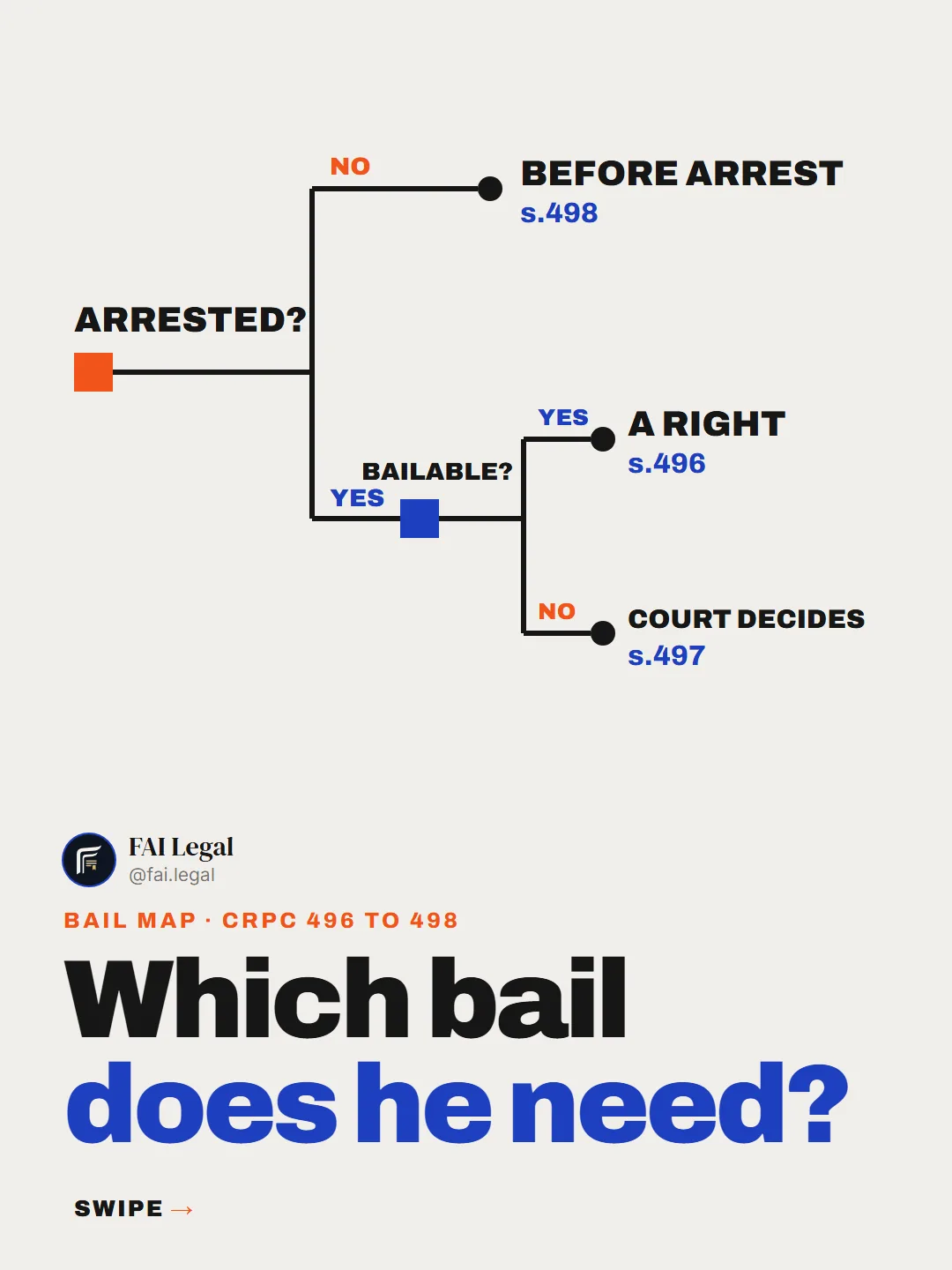
Section 324 is attempted murder: imprisonment of up to ten years and a fine, and if the act caused hurt, the punishment for that hurt as well. Whether a person charged under 302 can get bail is a separate question: see our FAI Media piece on bail in a murder case.
The case: Punjab, 1995
The FIR was registered on 11 July 1995 under section 302. According to the prosecution, the accused demanded back a piece of land that the other man had bought from the accused's father. There was one rifle shot. It hit the left upper thigh, and the injured man died on the way to hospital (para 2).
The trial court sentenced the accused to death on 15 March 2000. The High Court and then the Supreme Court upheld the sentence (para 2). He asked the Supreme Court to review its own judgment, and by then only the sentence was in question (para 3).
We read it in FAI Legal
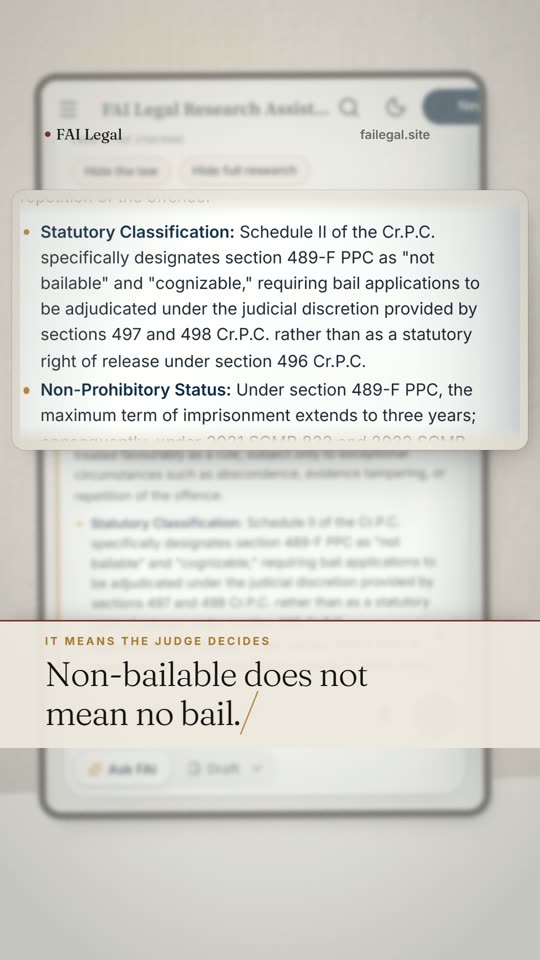
The judgment is on FAI Legal's Judgment Search, marked as a citation from the court record and as binding, with every paragraph open in the judgment reader. The paragraphs quoted on this page are paras 2, 9, 10, 11 and 15. Sections 302, 324 and 57 of the Penal Code are on Statute Search.
The Supreme Court, 9 May 2013: death changed to imprisonment for life
The Court found reasons for the lesser sentence: a single shot that was not repeated, aimed at the lower part of the body, between close relatives, after a sudden quarrel. It said the law fixes no amount of mitigation: "even an iota towards the mitigation is sufficient to justify the lesser sentence" (para 9). It also weighed the long wait, which was not the convict's fault: "keeping the accused in death cell for a period of 18 years" and then hanging him would punish him twice (para 9). By the Court's count he had been in the death cell for 17 years, one month and five days (para 11).
Before changing the sentence the Court asked what the other sentence means. Its answer: "it is crystal clear as the light of the day that life imprisonment mean twenty five years rigorous imprisonment." (para 11). The order: "alter the death sentence of the petitioner into imprisonment for life with benefit under section 382-B, Cr.P.C." (para 15). That benefit means the time already spent in custody is counted.
Why not fourteen years?
Because no provision says fourteen. Section 57 of the Penal Code counts imprisonment for life as twenty-five years. Rule 140 of the Prison Rules, quoted by the Court, says: "Imprisonment for life will mean twenty five years rigorous imprisonment and every life prisoner shall undergo a minimum of fifteen years substantive imprisonment." (para 10).
A prisoner can earn remissions, which is time taken off the sentence. But an earlier five-judge bench of the Supreme Court, hearing a group of appeals in September 2005, read the remission rules and held that "ordinarily the total remissions given to someone who has been sentenced to life imprisonment cannot shorten the period of sentence of a convict to less than 15 years." The word "ordinarily" matters: the same ruling says the President's power to remit sentences under Article 45 of the Constitution is not limited by the prison rules.
Search these rulings on FAI Legal
FAI Legal is a website: open failegal.site in your phone's browser, there is nothing to download. Every ruling on this page is one search away on Judgment Search, and sections 302, 324 and 57 are on Statute Search. Ask your own question in plain words. Start free.
The case at a glance
- Facts
- An FIR of 11 July 1995 under section 302: in a dispute over land, one rifle shot hit the left upper thigh and the injured man died on the way to hospital. The trial court sentenced the accused to death on 15 March 2000; the High Court and the Supreme Court upheld it; he sought review of the sentence only (paras 2 and 3).
- The question
- Whether the death sentence should be changed to imprisonment for life, and what "imprisonment for life" means (paras 9 to 11).
- What the Court held
- The review was accepted and the death sentence was altered to imprisonment for life with the benefit of section 382-B of the Code of Criminal Procedure (para 15). Life imprisonment means twenty-five years of rigorous imprisonment (para 11).
- Why
- Section 302(b) gives two sentences, and even slight mitigation justifies the lesser one; here there was a single shot at a non-vital part, close relatives and a sudden quarrel, and about eighteen years in a death cell through no fault of the convict (paras 7, 9, 14). The Penal Code does not define life imprisonment, but section 57 and Rule 140 of the Prison Rules fix it at twenty-five years, with a minimum of fifteen years of substantive imprisonment (paras 10 and 11).
- Limits
- The ruling turned on its own facts; it does not say every death sentence must be reduced after a long wait. "Twenty-five years" is the measure of the sentence, and remissions can shorten the time actually served, though ordinarily not below fifteen years. Special laws can be stricter: some bar remissions altogether. The President's power to remit is wider than the prison rules.
The law it relies on
Section 302 (punishment of qatl-i-amd): death as qisas; or death or imprisonment for life as ta'zir, having regard to the facts and circumstances of the case; or imprisonment of up to twenty-five years where, under the injunctions of Islam, qisas does not apply.
Section 324 (attempt to commit qatl-i-amd): imprisonment of up to ten years and a fine; if hurt is caused, the offender is also liable to the punishment provided for that hurt.
Section 57 (fractions of terms of punishment): in calculating fractions of terms of punishment, imprisonment for life shall be reckoned as equivalent to imprisonment for twenty-five years.
What this does not mean
- It does not mean every life prisoner stays in jail for exactly twenty-five years. Remissions can shorten the time served, but ordinarily not below fifteen years.
- It does not mean a long wait in a death cell always ends in a lesser sentence. Here the Court also relied on the single shot, the part of the body and the sudden quarrel (paras 9, 11 and 14).
- It does not cover every law. Some special laws carry their own rules on life sentences and remissions.
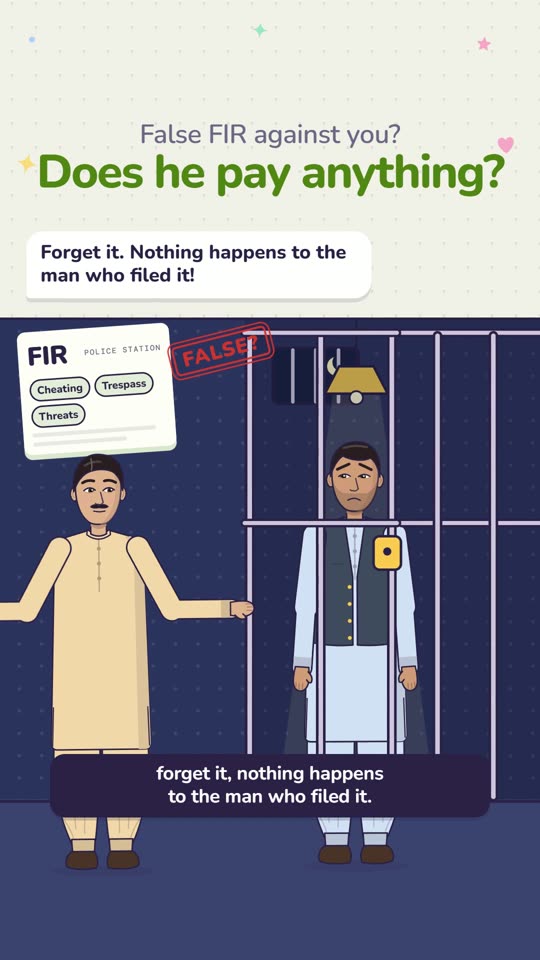
- The reel's pictures (two men on a plot of land, the cell bars) only illustrate the story; the judgment gives the dates and the courts. Nobody in the case is named here, and no weapon is shown.
Questions people ask
How many years is life imprisonment in Pakistan?
Twenty-five years of rigorous imprisonment. The Supreme Court said on 9 May 2013 that this is "crystal clear" from section 57 of the Penal Code and Rule 140 of the Prison Rules (Criminal Review Petition No. 72 of 2007, paras 10 and 11).
Is umar qaid 14 years in Pakistan?
No. No provision says fourteen. The prison rule quoted by the Supreme Court says every life prisoner shall undergo a minimum of fifteen years of substantive imprisonment, and the sentence itself means twenty-five years (para 10).
What is the minimum a life prisoner must serve?
Fifteen years. An earlier five-judge ruling of the Supreme Court says ordinarily the total remissions cannot shorten a life sentence to less than fifteen years. The President's constitutional power to remit is wider.
What is the punishment under section 302 PPC?
For murder (qatl-i-amd): death as qisas; or death or imprisonment for life as ta'zir, depending on the facts of the case; or up to twenty-five years where qisas does not apply.
What is the punishment under section 324 PPC?
For attempted murder: imprisonment of up to ten years and a fine. If the act caused hurt, the offender is also liable to the punishment for that hurt.
Umar qaid kitne saal ki hoti hai?
Pachees saal qaid-e-bamushaqqat. Supreme Court ne 9 May 2013 ko kaha ke umar qaid ka matlab pachees saal hai, aur har umar qaidi ko kam az kam pandrah saal jail mein kaatne hote hain. Chaudah saal wali baat durust nahin.
Check yourself
True or false? “Umar qaid (imprisonment for life) is only fourteen years.”
Wrong: it means twenty-five years, with at least fifteen served. Not fourteen. The Supreme Court counts it as twenty-five years, and every life prisoner serves at least fifteen.
Next one: true or false? “Non-bailable means no bail.”
Sources
- A v. The State (name withheld), Criminal Review Petition No. 72 of 2007 (Supreme Court of Pakistan, 9 May 2013)
A death sentence under section 302(b) was altered to imprisonment for life on review. Life imprisonment means twenty-five years of rigorous imprisonment; every life prisoner undergoes a minimum of fifteen years of substantive imprisonment (section 57 PPC, Rule 140 of the Prison Rules). - A and others v. The State (names withheld), Criminal Appeals Nos. 324-325 of 1995 and others (Supreme Court of Pakistan, heard 15 September 2005)
Read together, the prison rules mean that ordinarily the total remissions cannot shorten a life sentence to less than fifteen years; the President's power to remit under Article 45 is not limited by subordinate rules. - Pakistan Penal Code, 1860, Sections 302, 324 and 57 text checked in FAI Statute Search, 11 November 2026 Pakistan Code
Every quote and section above is traced to the full judgment or statute text by an automatic check that runs on every update.
What the reel says
Read the words of the reel
How many years is umar qaid in Pakistan? It isn't fourteen.
You asked, so here's the answer. First, the two numbers you see on an FIR:
Section 302 is murder. The punishment is death, or imprisonment for life.
Section 324 is attempted murder. It's up to ten years and a fine, plus the punishment for any injury that was caused.
Now a real case. Punjab, 1995. In a quarrel over land one shot was fired. It hit the man's leg, and he died on the way to hospital. The charge was 302, and the sentence was death. The court noted he then spent about eighteen years in a death cell.
On 9 May 2013, five judges of the Supreme Court decided:
1. The death sentence is changed to imprisonment for life.
2. Imprisonment for life means twenty-five years of rigorous imprisonment.
3. Every life prisoner has to serve at least fifteen years in jail.
Time off (remissions) can be earned, but another Supreme Court ruling says it can't ordinarily bring a life sentence below fifteen years. So the belief that umar qaid is fourteen years isn't right.
Full story: failegal.site/media/umar-qaid-how-many-years-life-imprisonment-pakistan Should life mean a whole life? Tell us in the comments, no names.
Got a question of your own? Leave it below. Your question could be the next video.
FAI Legal is a website: open failegal.site in your phone's browser, there's nothing to download. Start free.
General legal information, not legal advice.
#pakistanlaw #legalawareness #umarqaid #section302 #FAILegal
Educational legal information, not legal advice. Every case turns on its own facts. Speak to a lawyer about your own case. Last checked: 11 November 2026. Review status: Pending advocate review. How we check.