Criminal law · Statute
Can any police officer check your driving licence in Pakistan?
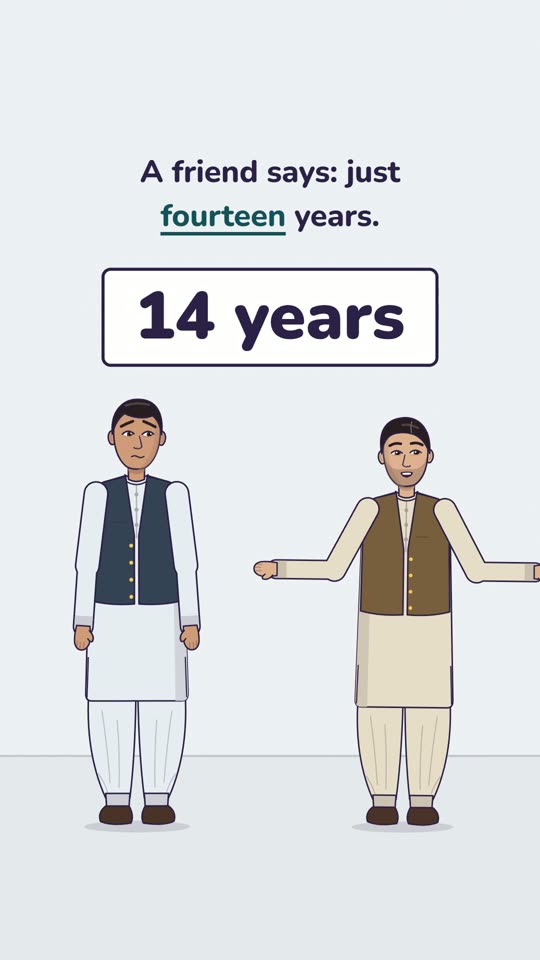
The myth: “Only traffic police can ask for your car papers.”Wrong: any police officer in uniform can ask, and papers at home get ten days
The short answer
Yes. Any police officer in uniform can ask for your licence and registration; papers at home can be shown at a police station within ten days.
By the FAI Legal editorial desk · 14 November 2026 · 5 min read
Yes. Under section 90(1) of the Provincial Motor Vehicles Ordinance 1965, the driver of a motor vehicle in a public place must produce the driving licence and the vehicle's certificate of registration when "any police officer in uniform" asks, and so can a Transport Department officer not below the rank of Sub-Inspector, or a person the Government has authorized. It is not only traffic police. Refusing, or failing to produce them in time, is an offence.
If your papers are at home, section 90(3) says producing them "within ten days at any police station in the Province which he specifies" is enough. That ten-day rule does not cover a driver who drives for a salary, or the driver of a transport vehicle such as a taxi, rickshaw, bus or goods vehicle: they must carry their papers.
Key points
- Who can ask: "any police officer in uniform", a Transport Department officer not below Sub-Inspector, or a person the Government has authorized (section 90(1)).
- What they can ask for: your driving licence and the vehicle's certificate of registration; for a transport vehicle, also its certificate of fitness and its permit (section 90(1)).
- Papers at home: "it shall be a sufficient compliance with this section" to produce them within ten days at a police station in your province that you name (section 90(3)).
- No ten days for a paid driver or a transport vehicle: the rule "shall not apply to a driver driving as a paid employee, or to the driver of a transport vehicle" (the proviso).
- Refusing, or failing to produce them within the time allowed, is an offence under the Ordinance (Fifth Schedule).
Can the police check your driving licence? The short answer
You asked whether only traffic police can ask for your car papers. They are not the only ones. Section 90(1) of the Provincial Motor Vehicles Ordinance 1965 puts the duty on the driver: in any public place, on demand by any police officer in uniform, a Transport Department officer not below the rank of Sub-Inspector, or a person the Government has authorized, the driver must produce the driving licence and the vehicle's certificate of registration for examination.
People search this as can the police check your driving licence, who can check driving licence in police, and in Roman Urdu driving licence kon mang sakta hai. The short version: any police officer in uniform can ask; if a paper is at home, name a police station and show it there within ten days, unless you drive for a salary or drive a transport vehicle.
Who can ask for your licence and registration
The section names three kinds of people who can make the demand: "any police officer in uniform", an officer of the Transport Department not below the rank of Sub-Inspector, and a person authorized by the Government. Traffic police are police officers in uniform, but so is any other police officer on duty in uniform at a checkpoint.
For an ordinary car or motorcycle they can ask for two things: the driving licence and the certificate of registration (the registration book or card). For a transport vehicle they can also ask for the certificate of fitness and the route permit. A separate section, 92(1)(a), also requires a driver to stop when "required or directed by a police officer in uniform".
Papers at home? The ten-day rule
Section 90(3) deals with papers you have but are not carrying. If the licence or certificate is not with you when the demand is made, "it shall be a sufficient compliance with this section" if you produce it "within ten days at any police station in the Province which he specifies", to the officer or authority who asked. In plain words: tell the officer which police station in your province you will take it to, and take it there within ten days.
The rule is for papers you have. It does not help someone who has no licence at all: driving without one is a separate offence under the same Ordinance.
Who must carry their papers
The proviso to section 90(3) takes the ten days away from two groups: "a driver driving as a paid employee" and "the driver of a transport vehicle", and from anyone asked for the registration or fitness certificate of a transport vehicle. Section 2 says a transport vehicle "means a public service vehicle, a goods vehicle, a locomotive or a tractor"; a public service vehicle is one that carries passengers for hire, such as a taxi.
So a family driver on a salary, a taxi or rickshaw driver, a bus driver and a loader or truck driver should keep their papers in the vehicle. The proviso also allows rules to change this "to such extent and with such modifications as may be prescribed", so check the rules in force in your province.
We read it in FAI Legal
Section 90 is on FAI Legal's Statute Search, quoted from the section itself, together with sections 2 and 92 of the same Ordinance. We also checked its words against the Punjab Transport Department's published text of 30 November 2023, where section 90 reads the same. FAI's archive has no reported judgment on this section yet, so this page rests on the statute's own words.
At a checkpoint: what to do
Stop when a police officer in uniform signals you to. Stay calm and show what you have: your licence and the registration. If something is at home, say so, and name the police station in your province where you will show it, then take it there within ten days. If you drive for a salary, or drive a taxi, rickshaw, bus or goods vehicle, carry your papers every time.
Refusing to show papers you have with you is an offence of its own (the Ordinance's Fifth Schedule). If you think an officer acted without lawful reason, write down the time, the place and his name or number, and speak to a lawyer about your own case.
Find the law on FAI Legal
FAI Legal is a website: open failegal.site in your phone's browser, there is nothing to download. Ask your question in plain words, and read section 90 of the Motor Vehicles Ordinance on Statute Search. Your case may be different: speak to a lawyer about your own facts.
The case at a glance
- Facts
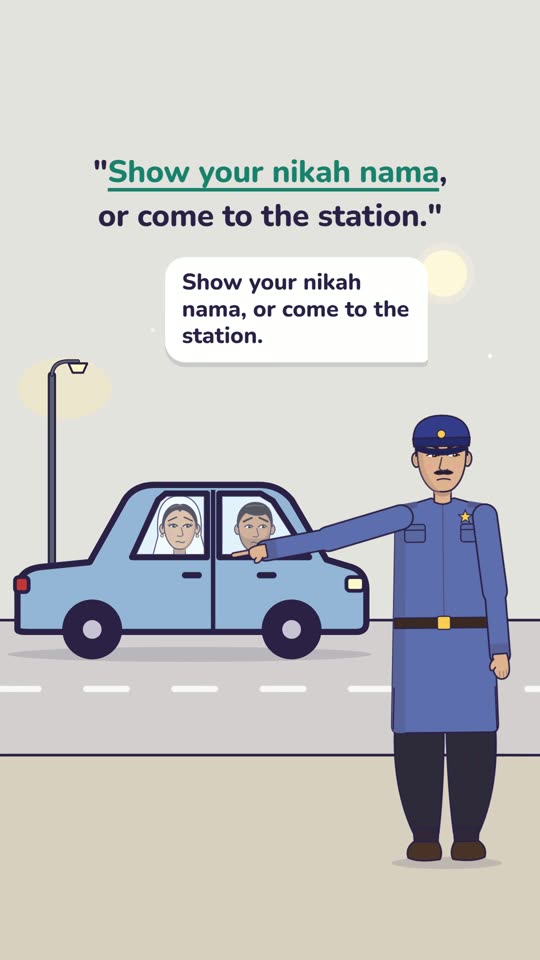
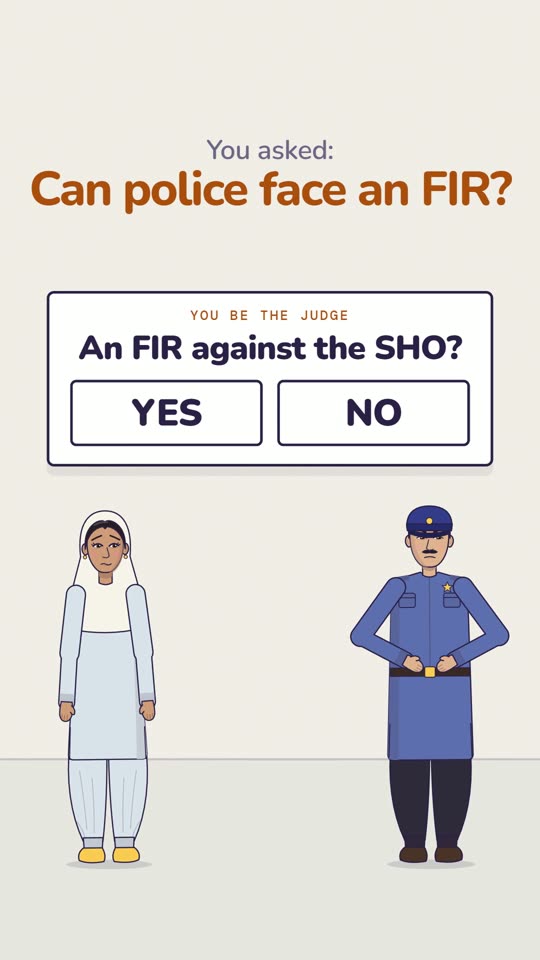
- A police officer in uniform at a checkpoint asks a driver for the licence and registration; a passenger says only traffic police can ask. This is the question a follower asked; the reel's people are drawn and there is no real case.
- The question
- Who can demand a driver's licence and registration, and what if the papers are not with the driver?
- What the Court held
- Under section 90 of the Provincial Motor Vehicles Ordinance 1965, any police officer in uniform, a Transport Department officer not below Sub-Inspector or a person authorized by the Government can demand them; papers not with the driver are enough if produced within ten days at a police station in the province that the driver names; the ten days do not apply to a paid driver or a transport vehicle.
- Why
- The duty is to produce the papers for examination, and section 90(3) treats production within ten days as sufficient compliance, so a driver who left them at home has not broken the duty if he produces them in time.
- Limits
- No court ruling is cited: FAI's archive has none on section 90 yet. Fines and the ticketing system differ by province and change often, so this page gives no amounts. Rules may modify the proviso; check the version in force where you drive.
The law it relies on
Provincial Motor Vehicles Ordinance 1965, section 90 (as FAI's Statute Search shows it, the same words as the Punjab Transport Department's text of 30 November 2023): (1) the driver of a motor vehicle in any public place shall, on demand by "any police officer in uniform" or any officer of the Transport Department not below the rank of Sub-Inspector, or a person authorized by the Government, produce the licence and the certificate of registration (for a transport vehicle, also the certificate of fitness and the permit) for examination; (3) if they are not with the driver, "it shall be a sufficient compliance with this section" to produce them "within ten days at any police station in the Province which he specifies", to the officer who asked; the proviso: this "shall not apply to a driver driving as a paid employee, or to the driver of a transport vehicle". Other provinces use the same Ordinance with their own amendments: check the version in force where you drive.
Section 92(1)(a): the driver shall stop and stay stopped when "required or directed by a police officer in uniform". Section 2: a transport vehicle "means a public service vehicle, a goods vehicle, a locomotive or a tractor" (a public service vehicle carries passengers for hire, a taxi among them). The Fifth Schedule lists "Refusing or failing within specified time to produce licence (section 90)" as an offence. Fines are not given here: they differ by province and change often.
What this does not mean
- It does not mean you can refuse a police officer because he is not traffic police: any police officer in uniform can ask (section 90(1)).
- It does not mean you can drive without a licence. The ten days are for papers you have but did not carry, not for papers you do not have.
- It does not mean every driver gets ten days. A paid driver and the driver of a taxi, rickshaw, bus or goods vehicle must carry them (the proviso to section 90(3)).
- The reel's car, the officer and the friend are a picture of the question; nobody real is shown or named.
Questions people ask
Can any police officer check my driving licence, or only traffic police?
Any police officer in uniform can ask, and so can a Transport Department officer not below the rank of Sub-Inspector or a person authorized by the Government (Provincial Motor Vehicles Ordinance 1965, section 90(1)).
Driving licence kon mang sakta hai?
Wardi mein koi bhi police officer, sirf traffic police nahin. Transport Department ka Sub-Inspector ya us se upar ka afsar, ya Government ka mukarrar karda shakhs bhi maang sakta hai (Motor Vehicles Ordinance 1965, dafa 90(1)). Kaghzat ghar par hon to apne soobe ke kisi thane ka naam batayein aur das din ke andar wahan dikha dein.
What if my licence or registration is at home?
Name a police station in your province and produce it there within ten days, to the officer who asked; the law calls that sufficient compliance (section 90(3)).
Do taxi, rickshaw and bus drivers get the ten days?
No. The ten days do not apply to a driver driving as a paid employee or to the driver of a transport vehicle, which includes taxis, buses and goods vehicles (the proviso to section 90(3) and section 2).
Is it an offence to refuse to show my papers?
Yes. The Ordinance's Fifth Schedule lists refusing or failing within the specified time to produce the licence (section 90) as an offence. The fine differs by province.
Check yourself
True or false? “Only traffic police can ask for your car papers.”
Wrong: any police officer in uniform can ask, and papers at home get ten days. Yes. Any police officer in uniform can ask for your licence and registration; papers at home can be shown at a police station within ten days.
Next one: true or false? “A couple sitting in a car can be taken to the police station.”
Sources
- Provincial Motor Vehicles Ordinance 1965, s.90, s.92(1)(a), s.2; the Fifth Schedule text checked in FAI Statute Search, and against the Punjab Transport Department's text of 30 November 2023, on 14 November 2026
Every quote and section above is traced to the full judgment or statute text by an automatic check that runs on every update.
What the reel says
Read the words of the reel
Can any police officer check your driving licence?
You asked (@jay_a_khan, @itex_arham): can only traffic police ask for your car papers? No.
1. Motor Vehicles Ordinance 1965, section 90(1): any police officer in uniform can ask for your driving licence and your car's registration, and so can a Transport Department officer not below the rank of Sub-Inspector.
2. Refusing, or failing to produce them in time, is an offence in itself.
3. Papers at home? Section 90(3): tell the officer which police station in your province, and show them there within ten days. The law says that's enough.
4. But a driver on a salary, or the driver of a taxi, rickshaw, bus or goods vehicle, gets no ten days: they must carry their papers.
At a checkpoint: stop, stay calm, show what you have, and name a police station for the rest.
Full story: failegal.site/media/police-check-driving-licence-car-papers-pakistan Did you know about the ten days? Reply yes or no.
Educational legal information, not legal advice. Every case turns on its own facts. Speak to a lawyer about your own case. Last checked: 14 November 2026. Review status: Pending advocate review. How we check.